Wednesday, December 7, 2011
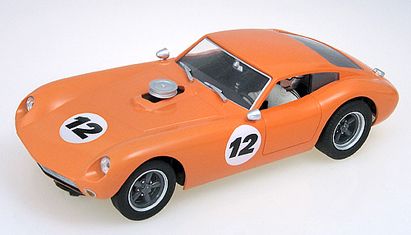
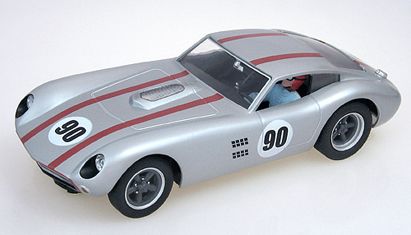
New MRRC Kellisons coming soon
Monday, December 5, 2011
Sunday, December 4, 2011
Thursday, December 1, 2011
New NSR Rally Porsche
From Professor Motor:
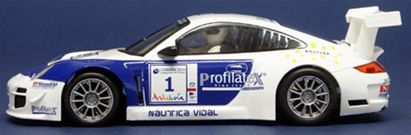
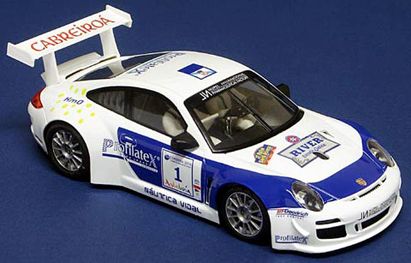
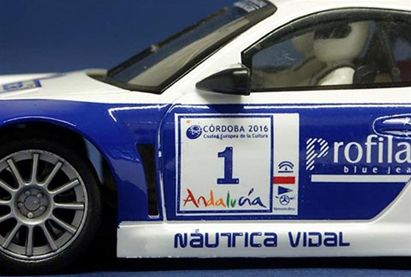
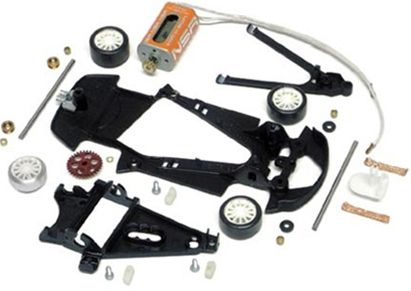
Porsche 997 GT3 Rally ProfilateX #1 Livery from NSR (Italy) - Stock Number NSR1078AW
This NSR 1/32 Analog RTR Porsche 997 GT3 ProfilateX Livery #1 was raced by the Nupel Rally Team - This car includes : adjustable front axle ride height, drop arm type guide flag, setscrew aluminum wheels all around, all metal setscrew mount super smooth and quiet gearing, heat treated axles with machined bronze self lubricating bushings, adjustable suspension type motor pod, anglewinder dynamically balanced motor with 21,400 RPM & 320 g-cm torque. MSRP is $117.99 and these are available from Professor Motor dealers in North America.
Wednesday, November 30, 2011
NSR GT40 #7
From Professor Motor:
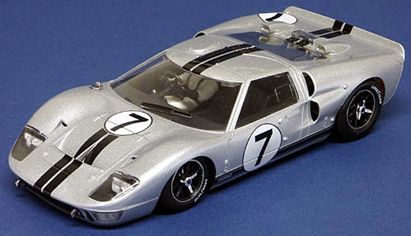
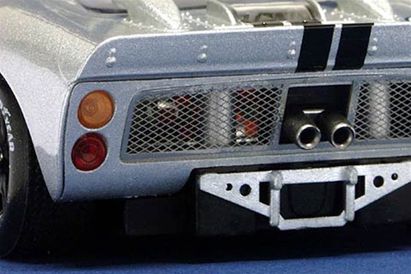
Ford GT40 Mark II #7 1966 LeMans from NSR (Italy) - Stock Number NSR1088SW
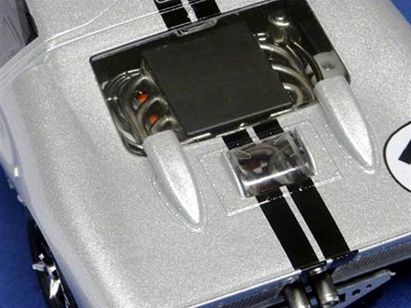
This NSR 1/32 Analog RTR Ford GT40 Mark II #7 Silver/Black 24 Hours of LeMans 1966 Qualifying Livery - Ultimately driven in the race by Graham Hill and Brian Muir - Includes : Lightweight drilled aluminum setscrew wheels all around - All metal setscrew mount super smooth and quiet gearing - Heat treated axles with machined bronze self lubricating bushings - Clear coat over top of paint and tampo printing for high gloss and durability - sidewinder dynamically balanced motor with 20,000 RPM - adjustable suspension type motor pod - photo etched stainless steel grills - body produced from 3 separate sections for improved detail. This car has an exceptionally lightweight design with the fully accessorized and painted body shell weighs 19 grams and the complete car 70 grams. MSRP is $117.99 and these are available from Professor Motor dealers in North America.
Tuesday, November 29, 2011
Capacitors for Energy Saving Brakes
To save power drawn from the kinetic energy when the car is braking, Mazda does not use batteries, but capacitors. In fact, the capacitor can only store electricity in a short time or temporary. Meanwhile, longer battery life.
However, capacitors have kelebihanm capable of storing electricity (filled) in quick time with a large capacity. In addition, durability or shelf life longer than batteries. Well, the excess that's what Mazda used at once claimed as the first car manufacturer in the world that uses capacitors to recycle ualang energy when the car brakes.
This new technology called the Mazda with the 'i-ELOOP' (and rectify faults were written yesterday 'i-LOOP') which was adapted from the "Intelligent Energy Loop" or recycle energy.
Without Motor and Battery
According to Mazda this system works more efficient in converting kinetic energy into electricity when the car brakes. Diperolehm electricity used to operate the air conditioning (climate control), audio and a host of other electrical components in cars.
Today, most car manufacturers recycle the energy or perform regenerative braking when the car by using the motor / alternator (motor that also functions as an alternator) and batteries. Both components have their respective duties.
The goal, to save energy by recycling of this brake, to save fuel consumption Baan sekaigus reduce carbon dioxide pollution (CO2). In particular, when the car used in a growing city in the pestle and the frequency of the traffic 'stop and go' grow taller.
In conventional systems, use an electric motor or alternator to generate electricity. In hybrid cars, electric motor and battery size are larger in size.
With capacitors, according to Mazda, the electric motor and batteries are not needed anymore. Only used 12 volt alternator voltage, electric double layer capacitor with low barriers and converters DC / DC. 'I-ELOOP' began working to recover kinetic energy when the driver took his foot off the accelerator or the car began to slow.
EDLC
Next use the alternator to the voltage change has resulted in the highest 25-volt electric (the method is considered more efficient) and after it was sent to a type of Electric Double Layer Capacitors (Electric Double Layer Capacitor: EDLC) to be stored.
These capacitors developed specifically (use in car) and can be fully charged in seconds. Furthermore, electricity from the capacitor voltage is lowered from 25 volts to 12 volts by the converter DC / DC. After that distiribusikan directly to the car electrical components or to charge a car battery if necessary.
'I-ELOOP' work when the car brakes, reducing the need for the engine to burn fuel and, in addition to generating electricity. In the state of "stop and go", the fuel consumption can be diirit to 10 percent. According to Mazda, the use of 'i-coupled with the technology' i-stop idling ', a system that prolong the period of the machine dies. Planned, this technology began to be used for cars produced by Mazda in 2012.
However, capacitors have kelebihanm capable of storing electricity (filled) in quick time with a large capacity. In addition, durability or shelf life longer than batteries. Well, the excess that's what Mazda used at once claimed as the first car manufacturer in the world that uses capacitors to recycle ualang energy when the car brakes.
This new technology called the Mazda with the 'i-ELOOP' (and rectify faults were written yesterday 'i-LOOP') which was adapted from the "Intelligent Energy Loop" or recycle energy.
Without Motor and Battery
According to Mazda this system works more efficient in converting kinetic energy into electricity when the car brakes. Diperolehm electricity used to operate the air conditioning (climate control), audio and a host of other electrical components in cars.
Today, most car manufacturers recycle the energy or perform regenerative braking when the car by using the motor / alternator (motor that also functions as an alternator) and batteries. Both components have their respective duties.
The goal, to save energy by recycling of this brake, to save fuel consumption Baan sekaigus reduce carbon dioxide pollution (CO2). In particular, when the car used in a growing city in the pestle and the frequency of the traffic 'stop and go' grow taller.
In conventional systems, use an electric motor or alternator to generate electricity. In hybrid cars, electric motor and battery size are larger in size.
With capacitors, according to Mazda, the electric motor and batteries are not needed anymore. Only used 12 volt alternator voltage, electric double layer capacitor with low barriers and converters DC / DC. 'I-ELOOP' began working to recover kinetic energy when the driver took his foot off the accelerator or the car began to slow.
EDLC
Next use the alternator to the voltage change has resulted in the highest 25-volt electric (the method is considered more efficient) and after it was sent to a type of Electric Double Layer Capacitors (Electric Double Layer Capacitor: EDLC) to be stored.
These capacitors developed specifically (use in car) and can be fully charged in seconds. Furthermore, electricity from the capacitor voltage is lowered from 25 volts to 12 volts by the converter DC / DC. After that distiribusikan directly to the car electrical components or to charge a car battery if necessary.
'I-ELOOP' work when the car brakes, reducing the need for the engine to burn fuel and, in addition to generating electricity. In the state of "stop and go", the fuel consumption can be diirit to 10 percent. According to Mazda, the use of 'i-coupled with the technology' i-stop idling ', a system that prolong the period of the machine dies. Planned, this technology began to be used for cars produced by Mazda in 2012.
Subscribe to:
Posts (Atom)